
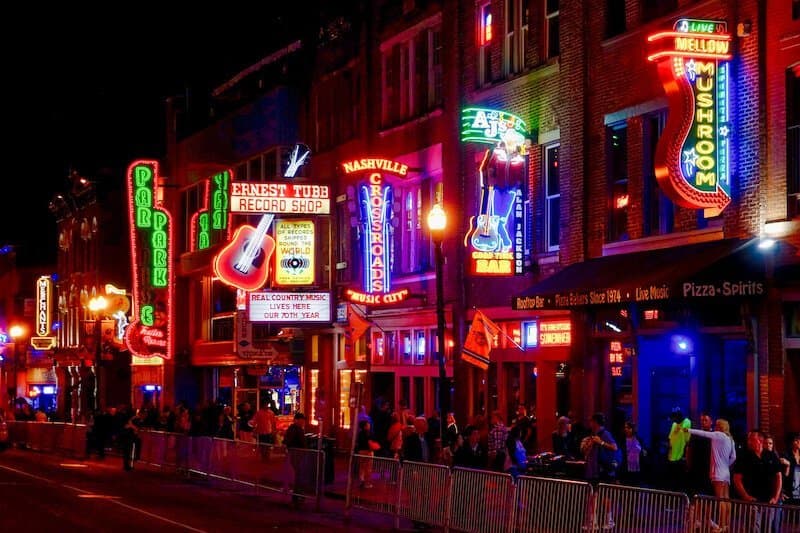
The most valuable cultural insight about Nashville is not simply that music defines the city. It is that music operates as a living social system. Its cultural distinctiveness is sustained by the people, places and relationships that help ideas move from conversation to collaboration, and from collaboration to culture.
cultural context
The Cultural Engine Behind Music City
The most useful cultural insights rarely begin with what a place is famous for. They begin with understanding how culture is actually produced.
In Nashville, the visible story is music. The city is globally recognised through its artists, venues, songwriting heritage and live performance culture. But beneath those familiar signals is a more revealing cultural pattern: music here is not only an entertainment category. It is a social system.
It is made through writers’ rooms, neighbourhood venues, informal introductions, shared creative rituals and a willingness to build together. The city’s cultural strength comes not only from the music people hear, but from the relationships and environments that allow that music to emerge.
This distinction matters because visible cultural outputs can sometimes obscure the processes behind them. Major artists, festivals and performances represent the finished expression of a much wider ecosystem. Before a song reaches a stage, it may have passed through multiple conversations, collaborators, venues and communities.
Nashville’s songwriting culture makes this particularly clear. Songwriting is often understood as an individual act, but locally it is also a collective practice. Ideas are refined in rooms with other people. Language is debated. Stories are shaped through exchange. Creativity is treated not simply as self-expression, but as something strengthened through collaboration.
That collaborative instinct extends beyond songwriting. It appears in the way musicians, venue operators, producers, bartenders, designers, chefs and other creatives participate in the wider cultural life of the city. Music is surrounded by a network of people who help create the conditions for connection, experimentation and discovery.
This is why local cultural research needs to move beyond category-level observations. Saying that Nashville is a music city is accurate, but incomplete. The deeper insight is that its identity is generated through participation.
Residents engage with music not only to see a favourite artist, but to spend time with friends, feel connected to the city, discover new talent and support local scenes. Music becomes a way of expressing belonging. It helps people recognise themselves as part of a shared cultural environment.
At a strategic level, this changes the questions organisations should ask.
The question is not only: how can we appear around music?
It is: how can we contribute to the system that makes music meaningful here?
That requires attention to the cultural infrastructure behind the visible moment. It means understanding where collaboration happens, how discovery takes place, which spaces carry local significance and what communities consider worth sustaining.
It also means recognising that cultural relevance cannot be created through visibility alone. A brand or institution becomes meaningful when its role makes sense within the local system. The strongest participation often helps people connect, creates space for new voices or strengthens the conditions through which culture can continue to evolve.
This is where cultural anthropology becomes strategically useful.
It allows us to identify the tension shaping a place, the behaviours through which that tension becomes visible and the deeper mechanism connecting those behaviours to cultural meaning. It helps distinguish between what a city is known for and what actually makes it work.
In Nashville, the surface story is music.
The cultural engine underneath it is collaboration.
That is the level at which the most transferable insights begin.